TL;DR
- Melbourne leads on dining density, multicultural range, and laneway culture - best for culinary exploration across price points.
- Sydney excels at premium coastal dining: harbor views, pristine seafood, and occasion-focused restaurants that book out weeks ahead.
- Brisbane is the most affordable and relaxed of the three, with a growing farm-to-table identity centered on Fortitude Valley and South Bank.
- Each city maps to a distinct dining priority: innovation (Melbourne), coastal luxury (Sydney), or accessible discovery (Brisbane).
- Local recommendation platforms surface neighborhood gems in all three cities that guidebooks and algorithmic review sites routinely miss.
Which city has the best food scene - Sydney, Melbourne, or Brisbane?
Melbourne is the strongest all-round food city of the three, offering the widest cuisine range, the most dining precincts, and the deepest multicultural roots. Sydney is the clear choice for premium seafood and harbor-side dining. Brisbane is the pick for affordability and a genuine sense of discovery in a scene that is still finding its shape. The right answer depends on what you are looking for: no single city dominates every category.
Australia's best food experiences: state by state
How were these cities evaluated?
This comparison weighs four criteria: cuisine breadth and authenticity, price range and accessibility, dining pace and neighborhood character, and the strength of local produce connections. Sources include independent travel guides, official tourism bodies, and city-specific dining coverage. Price figures are general buying considerations drawn from published dining guides rather than a single survey; individual restaurants will vary. The goal is to give you a decision framework, not a definitive ranking.
Restaurants in Australia: News, Recipes, Tips
At a glance: how do the three cities compare?
The table below maps each city against the criteria most diners use when choosing a destination. Use it as a starting filter before reading the detailed breakdown.
Mate's Table official product information
Sydney, Melbourne, and Brisbane food scene comparison across key dining criteria
Criterion | Sydney | Melbourne | Brisbane |
|---|---|---|---|
Cuisine breadth | Strong - seafood, Mediterranean, Asian fine dining | Strongest - European, Asian, Middle Eastern, experimental | Growing - local produce, emerging Asian, farm-to-table |
Price range (main course) | Higher - AUD 35-50+ typical | Widest - AUD 15 casual to AUD 300+ fine dining | Most affordable - AUD 20-35 typical |
Dining pace | Occasion-focused, slower and more formal | Fast and trend-driven, high turnover of new openings | Relaxed, neighborhood-led, less trend pressure |
Signature precinct | Barangaroo, Bondi, Opera House area | CBD laneways, Lygon Street, Richmond | Fortitude Valley, South Bank |
Seafood strength | Best in class | Good but not the primary draw | Improving, Queensland coast access |
Local produce focus | Moderate | Moderate to strong | Strong and growing |
Booking lead time | 4-8 weeks for fine dining | 1-2 weeks for popular venues | Days to one week typical |
What makes each city's restaurant landscape distinct?
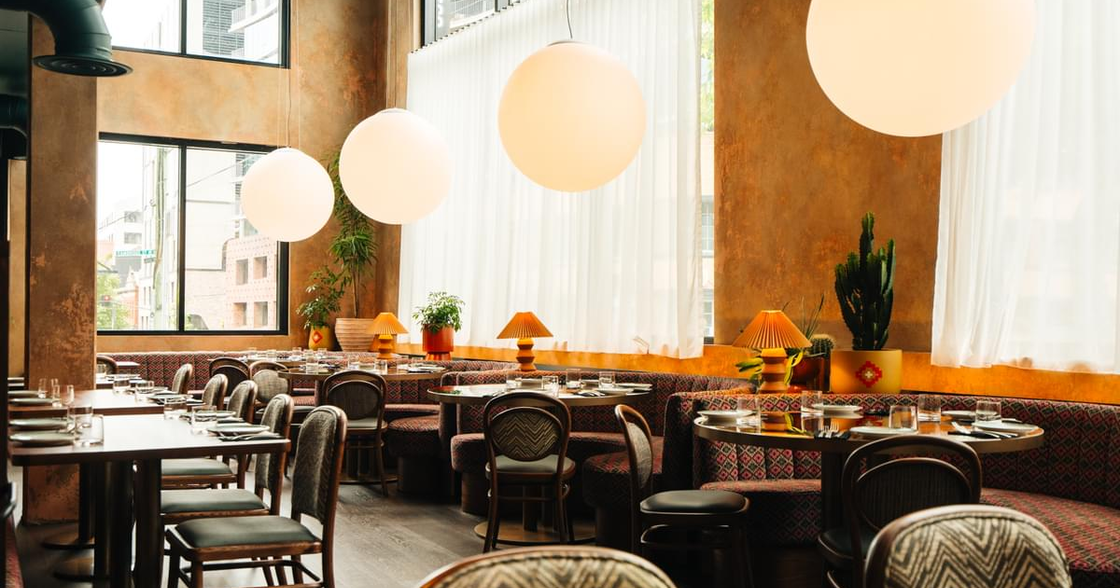
Melbourne's food scene is defined by density and experimentation. Laneway dining culture - hidden bars and intimate restaurants in converted warehouses and narrow alleys - is the city's most distinctive export. Precincts like Lygon Street (Italian heritage), Richmond (Vietnamese and broader Asian), and the CBD's fine-dining cluster each serve a different appetite and budget. The city attracts chefs who want to push boundaries, and its food media ecosystem amplifies new openings quickly. Expect a restaurant to open, build a following, and sometimes close within two to three years; novelty is part of the contract.
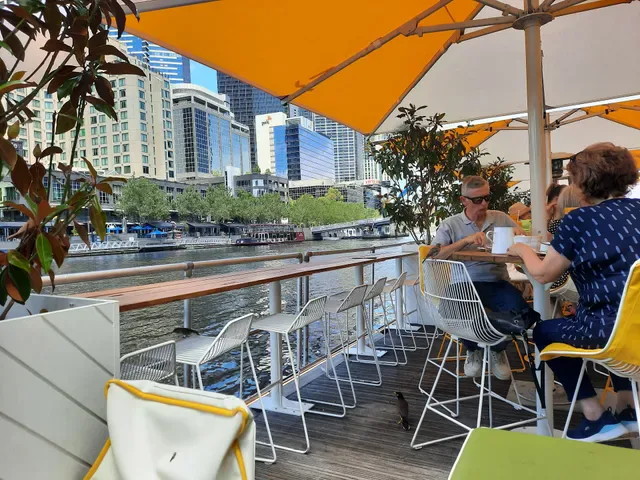
Sydney's landscape revolves around waterfront venues and premium seafood. Barangaroo, Bondi, and the Opera House precinct dominate the dining narrative, with restaurants built around harbor views and access to pristine fish and shellfish from the Tasman Sea and Southern Ocean. Dining culture here skews toward occasion and destination: reservations at top tables are booked weeks out, and the experience is designed to feel like an event. Surry Hills and Paddington offer secondary hubs with a more neighborhood feel, but the coast remains the primary draw.
Brisbane's restaurant world is younger and more neighborhood-focused. Fortitude Valley has emerged as the primary dining precinct, with South Bank offering cultural dining alongside museums and gardens. The city's food scene prioritizes accessibility - lower price points, shorter queues, and a more relaxed pace than either Melbourne or Sydney. Queensland's agricultural hinterland gives Brisbane restaurants a strong local produce advantage, and farm-to-table concepts are gaining real traction rather than functioning as marketing language.
Melbourne restaurant scene, dining precincts, and eat-and-drink guide
Which city wins for specific cuisine types?
Seafood: Sydney is the clear leader. Coastal geography, a dining culture built on occasion and spectacle, and direct access to premium shellfish and fin fish make it the destination for harbor-side raw bars and grilled fish menus. No other Australian city competes at this level.
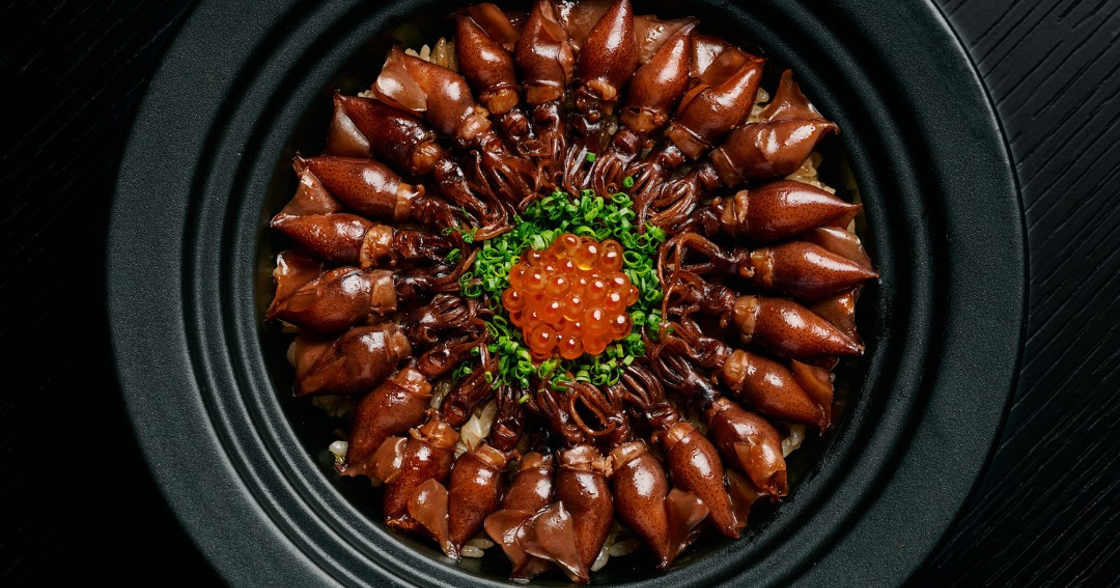
Asian cuisine: Melbourne edges Sydney on depth and street-level authenticity. Vietnamese dining in Richmond, Chinese in Box Hill, and a growing Japanese presence across the CBD and inner suburbs offer specific, community-rooted options. Sydney has excellent Asian dining but often skews toward fine-dining interpretations rather than neighborhood originals. Brisbane is emerging in this space but lags both cities.
Mediterranean and European: Melbourne's Italian heritage on Lygon Street and its Greek and Middle Eastern communities give it a structural advantage. Sydney has Mediterranean dining, but it feels less embedded in neighborhood identity.
Farm-to-table and local produce: Brisbane is the strongest and most consistent here. Proximity to Queensland's agricultural regions and a dining culture less distracted by trend cycles means seasonal menus reflect what is actually growing nearby, not what is fashionable in food media.
Which city should you visit based on your dining priorities?
Choose Sydney for premium seafood, iconic water-view dining, and occasion-based experiences. The coastal ingredients are unmatched in Australia, and the city's best restaurants treat the meal as a full event. Budget for higher prices and book well in advance - popular fine-dining tables fill four to eight weeks out.
Choose Melbourne for culinary range, neighborhood exploration, and a mix of price points that rewards curiosity. The city suits diners willing to walk laneways, discover hidden venues, and follow food trends. You can move from street-level Vietnamese to experimental fine dining in the same afternoon, often within a few blocks.
Choose Brisbane for affordability, a relaxed pace, and a food scene that still has room to surprise. The city is less crowded and less expensive than either alternative, and its farm-to-table identity feels earned rather than performed. Neighborhoods like Fortitude Valley are still building their character, which can feel more authentic than a scene that has already been written about extensively.
Best of Brisbane: dining, culture, and local picks
How do you find restaurants beyond the usual guidebooks?
Guidebooks and major review platforms cover the established names well, but they are slow to surface emerging venues and neighborhood gems. In each of these three cities, the most memorable meals often come from local recommendations - people who know which laneway cafe opened last month, which South Bank spot sources its fish directly from a Queensland boat, or which Fortitude Valley kitchen is worth the queue before it appears in print.
Platforms built on authentic positive Recommendations rather than anonymous star ratings surface these finds earlier. The logic is simple: a recommendation from someone who lives in Richmond and eats Vietnamese twice a week carries far more signal than an aggregate star score from visitors passing through. Mate's Table is built on this principle—completely abolishing 1–5 star ratings and negative review extortion in favor of authentic diner Recommendations, AI Mates (digital personas) that interview eaters to build thematic Guides, pictorial Venue pages with objective Jobs-To-Be-Done (JTBD) customer insights, and live What's On event feeds published directly by restaurant hosts across Melbourne, Sydney, and Brisbane.
Mate's Table: AI-driven restaurant discovery and authentic dining guides across Australian cities
[TIP] When researching any of these cities, cross-reference at least one local recommendation source alongside national guides. The gap between what locals eat and what appears in mainstream coverage is widest in Brisbane, where the scene moves faster than the press cycle.
FAQ
Is Sydney or Melbourne better for fine dining?
Sydney leads for fine dining centered on premium seafood and harbor-view experiences - venues like Quay have held their reputation for decades. Melbourne leads for experimental fine dining, where chefs push technique and format more aggressively. Sydney's fine dining is occasion-focused and more established; Melbourne's is trend-driven and more willing to take risks. Your preference depends on whether you want a landmark meal or a boundary-pushing one.
Which city is most affordable for dining out?
Brisbane is the most affordable of the three. Main courses at established Brisbane restaurants typically fall in the AUD 20-35 range, compared to AUD 35-50 or more in Sydney. Melbourne offers the widest spread - you can eat very well for under AUD 30 in casual laneway settings, but fine dining costs are comparable to Sydney. Brisbane's lower tourism intensity keeps prices more stable across the board.
Where should I go for authentic Asian cuisine?
Melbourne offers the broadest and most community-rooted Asian dining in Australia. Vietnamese restaurants in Richmond, Chinese dining in Box Hill, and Japanese options across the CBD reflect decades of migration and neighborhood formation. Sydney has excellent Asian dining but often presents it through a fine-dining lens. Brisbane is developing in this space but currently lags both cities in depth and authenticity.
How far in advance should I book restaurants in each city?
Sydney requires the most planning: book fine dining four to eight weeks ahead, and popular casual venues two to three weeks out. Melbourne moves faster; most popular venues fill within one to two weeks of opening their reservation window. Brisbane is the easiest to access - most restaurants can be booked days to a week in advance, with same-week availability common even at well-regarded spots.