Melbourne's essential eats break into three families: immigrant staples like the meat pie, dim sim, HSP, souvlaki, and dumplings.
Cafe culture icons like magic coffee, smashed avo, and hot jam doughnuts; and restaurant-born signatures like Red Cliff's yabby noodles and The Roe's uni dishes. Chicken parma, gozleme, and Lune's cruffins round out a shortlist that spans milk bars, market stalls, and hatted dining rooms across the city.
TL;DR:
Melbourne's signature dishes are deeply tied to specific precincts, so planning your food trip around neighborhoods ensures fresher and more authentic experiences.
The yabby noodles from Red Cliff restaurant has served over 100,000 portions, showcasing how a restaurant dish can become a city landmark through word-of-mouth.
Market-based bites like hot jam doughnuts and gozleme sell out early, so arrive first thing or plan late-night visits for the best selection.
Street food staples like halal snack packs and souvlaki are best ordered without reservations, often from casual shops open late into the night.
Curated guides and foodboards from Matestable help map out tastemaking routes by neighborhood, making it easier to sample Melbourne’s diverse culinary landscape efficiently.
Table of Contents
- What Are Melbourne's Signature Dishes?
- Where Should You Go to Taste Each Dish?
- How Do You Order Like a Local?
- How Matestable Curates Melbourne's Best Bites
- The Precinct-First Way to Actually Taste Melbourne
- Turn This List Into a Tasting Route
- Sources
- FAQ
What Are Melbourne's Signature Dishes?
Melbourne earned its reputation as Australia's food capital by absorbing wave after wave of immigrant cooking and turning cafe rituals into local religion. Eater's rundown of the city's most iconic dishes treats this as the whole story: the magic coffee sits next to the halal snack pack, and neither one apologizes for the company. Below are the plates worth building a trip around.
- Magic coffee. A double ristretto stretched with steamed milk into something between a flat white and a cortado, born in Melbourne's cafe boom of the 2000s. It is the city's answer to the idea that coffee needs a house style, and you will find a version of it at nearly every independent café in Fitzroy or the CBD.
- Smashed avocado on toast. Mashed avocado, lemon, chili flakes, and often feta piled onto sourdough. Melbourne cafés popularized the dish globally in the 2010s, and it remains the benchmark brunch order at weekend cafés citywide.
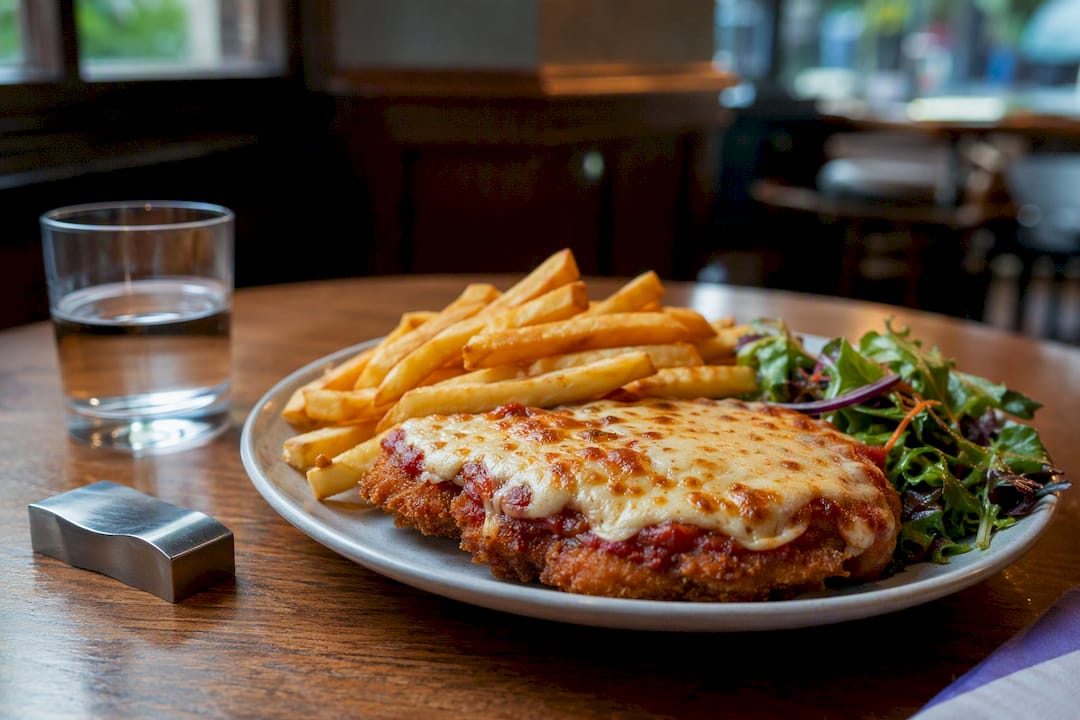
- Chicken parma. A crumbed chicken schnitzel topped with tomato sauce, ham, and melted cheese, usually served with chips and salad. Pub kitchens across the city treat Tuesday parma night as a near sacred tradition, with Lygon Street's Italian restaurants offering a more refined take on the schnitzel base.
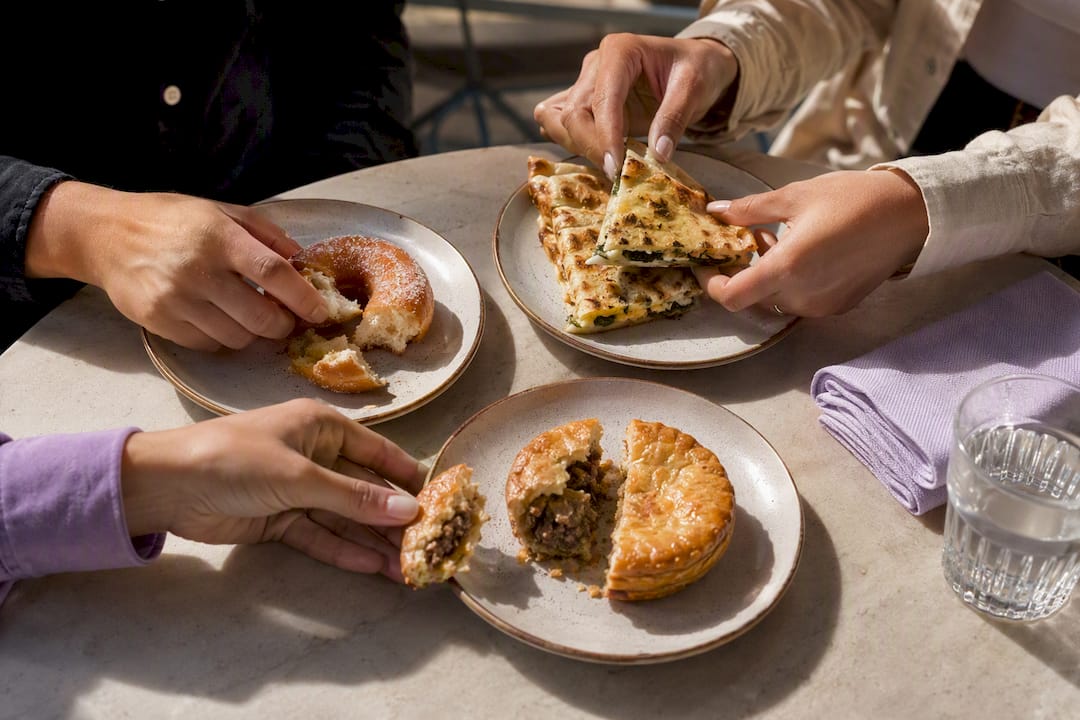
- Meat pie. Minced beef in gravy inside a pastry shell, sold at milk bars, bakeries, and footy grounds. It is the most Australian item on this list, and Queen Victoria Market's bakery stalls sell a version worth detouring for.
- Dim sim. A deep-fried or steamed dumpling filled with pork or beef, adapted from Cantonese cooking by Chinese immigrants in the mid-20th century. Chinatown's older eateries still serve the deep-fried version wrapped in butcher's paper, which is how most Melburnians first tried one.
- Hot jam doughnut. A sugar-coated fried dough ball injected with raspberry jam, sold hot from vans at the Queen Victoria Market. The debate over what makes a good doughnut usually comes down to the ratio of crust to filling, and Melbourne's market version leans generous on both.
- Halal Snack Pack (HSP). Chips layered with shaved kebab meat, cheese, and a trio of sauces, invented at halal takeaway shops and embraced across the city regardless of background. Sydney Road's Lebanese and Turkish shopfronts are where the dish still feels most at home.
- Souvlaki and gyros. Grilled meat wrapped in flatbread with tomato, onion, and tzatziki or garlic sauce, carried into Melbourne by Greek immigrants after World War II. Oakleigh's Greek strip remains the reference point, especially for late-night orders.
- Gozleme. A folded flatbread stuffed with spinach, feta, or minced lamb, cooked on a flat griddle by Turkish vendors. Queen Victoria Market's weekend stalls are the easiest place to try one fresh off the pan.
- Dumplings and xiao long bao. Soup-filled pork dumplings and their steamed and fried cousins, a Chinatown and CBD staple tied to Melbourne's long-standing Chinese communities. Expect a queue at the busiest spots on weekend nights.
- Lune-style croissants and cruffins. Laminated pastry taken to an obsessive extreme, popularized by Melbourne's Lune Croissanterie and now echoed by bakeries across Fitzroy and the inner north. Cruffins, a croissant baked in a muffin tin and filled with custard, are the modern twist that spread from here.
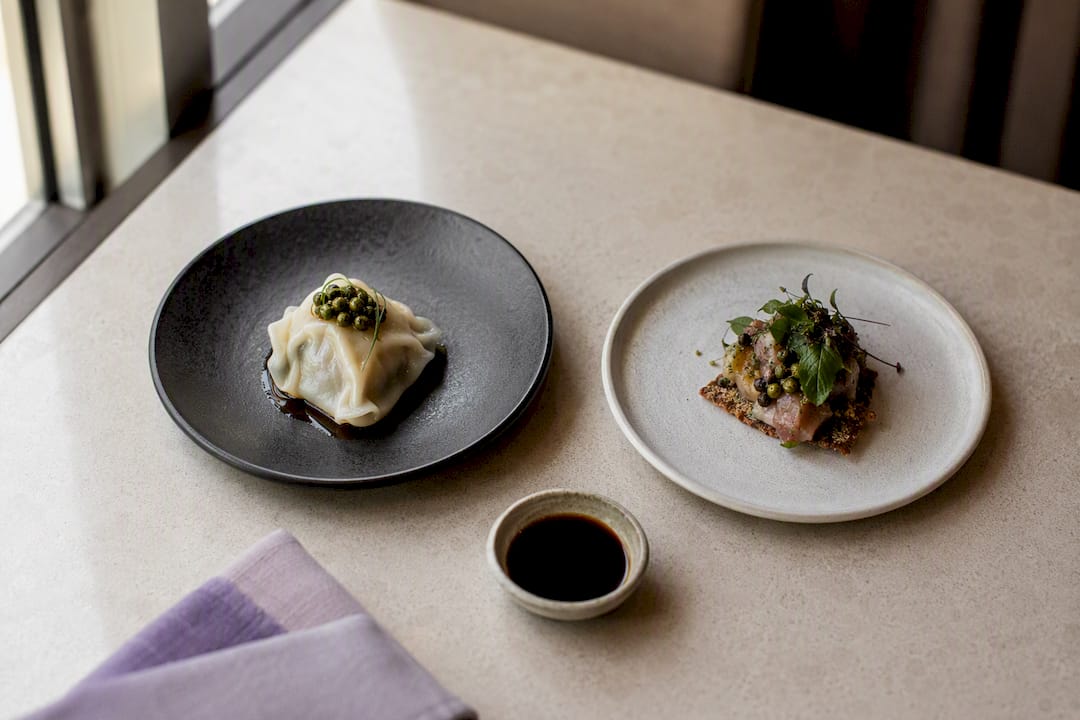
- Red Cliff's yabby noodles. A restaurant-specific dish built around freshwater crayfish and hand-pulled noodles, and one of the clearest examples of a single plate becoming a citywide reference point.
- The Roe's uni-focused menu. A restaurant built almost entirely around sea urchin, treating it as the centerpiece ingredient rather than a garnish, which is unusual enough in Melbourne dining to count as its own kind of signature.
Red Cliff has served more than 100,000 portions of its yabby noodles, according to Brisbane Times. That figure says something specific about Melbourne dining: a restaurant-born dish can grow into a genuine city landmark purely through repetition and word of mouth, no marketing campaign required.
Pro Tip: Order the yabby noodles and a second main to share if you're dining with a group. Portions run generous, and splitting lets you sample more of the menu without leaving room on the table.
Modern Melbourne kitchens increasingly fold native Australian ingredients into these classics, a trend Gourmet Traveller's restaurant coverage tracks closely alongside the city's ongoing run of hatted openings. The result is a food scene where a 1950s dim sim recipe and a 2026 native-pepperberry tasting menu can sit on the same street.
Where Should You Go to Taste Each Dish?
Melbourne's food geography splits cleanly by immigrant history, and Visit Victoria's dining guide maps the major precincts to the cuisines that built them. Knowing which street matches which dish saves you from wandering the wrong neighborhood hungry.
- Lygon Street (Carlton): Italian trattorias, pizza, and parma variations that lean closer to schnitzel Milanese than pub food. Best visited for a leisurely dinner rather than a quick bite.
- Victoria Street (Richmond): Vietnamese banh mi, pho, and rice paper rolls, with prices that stay low even at the busiest spots. Lunchtime is quieter than dinner service.
- Sydney Road (Brunswick): Lebanese bakeries, Turkish grills, and the HSP's spiritual home. Weekend afternoons bring the biggest crowds.
- Chinatown and the CBD: Dim sims, dumplings, and late-night hotpot or ramen, with some kitchens serving until well past midnight. A weekday lunch avoids the CBD office rush.
- Queen Victoria Market: Hot jam doughnuts, gozleme, meat pies, and pastry stalls, open on a market schedule rather than restaurant hours. Go early on a market morning for the freshest stock.
- Fitzroy and Fitzroy North: Independent cafes serving magic coffee, smashed avo, and the laneway pastry scene that includes Lune-style croissants. Morning visits beat the weekend brunch queue.
- Oakleigh: Greek souvlaki, gyros, and grills, with some grills running well into the night. Cash-friendly and casual, with prices lower than the CBD.
Markets keep daytime hours and sell out of popular items early, while souvlaki strips and late-night noodle bars run on an entirely different clock. Plan a market crawl in the morning and save the grazing streets for after dark.
How Do You Order Like a Local?
Timing and ordering habits matter as much as the dish itself. Here is how to avoid rookie mistakes:
- Book ahead for hatted restaurants, including anywhere serving The Roe's uni dishes or Red Cliff's yabby noodles on a Friday or Saturday night. Walk in only if you're flexible on timing.
- Show up early for laneway pastry shops. Croissants and cruffins sell out by mid-morning at the busiest bakeries, so arrive within the first hour of opening.
- Skip the reservation for late-night souvlaki and HSP joints. Sydney Road and Oakleigh grills run on a first-come basis, especially after 9 p.m.
- Specify spice levels and check halal certification where it matters, particularly at HSP shops and lamb-focused kebab spots, since sauce heat and ingredient sourcing vary shop to shop.
- Share the heavier plates. Parma, yabby noodles, and gozleme are built for splitting, not solo eating.
Budget expectations shift fast across this list. Street and market bites run AUD 5 to 20. Cafe brunches land around AUD 15 to 30. Mid-range sit-down restaurants run AUD 40 to 80 per person, and tasting menus at places like The Roe start above AUD 100.
Pro Tip: Turn a market visit into a tasting crawl by ordering small: one doughnut, one gozleme, one pie, split three ways between friends. You'll cover more ground than committing to a single full-size order.
How Matestable Curates Melbourne's Best Bites
Matestable connects food enthusiasts with Melbourne's dining scene through local tastemaker picks rather than generic star ratings, which matters when a list this varied spans milk bars and hatted dining rooms. The platform's Melbourne foodboards group dishes by precinct and occasion, so a market crawl or a dessert trail comes pre-mapped instead of pieced together from scattered reviews.
Three curated experience types stand out: chef pop-ups that put a single signature dish center stage, guided market crawls through Queen Victoria Market's pastry and takeaway stalls, and tasting nights at venues built around one famous plate. Readers can browse Matestable's what's on listings for these limited-run events, then use the foodboards to fill out the rest of an itinerary around them.
The Precinct-First Way to Actually Taste Melbourne
Most Melbourne food lists read like a museum tour: a dish, a history lesson, a photo, repeat. That approach undersells how the city actually works. A parma tastes different on Lygon Street than it does at a suburban pub, and the difference isn't nostalgia, it's the kitchen's proximity to the cuisine it borrowed from.
Pairing each dish to its precinct first, before you even decide what to eat, produces better meals than working from a top-ten checklist. Skip the temptation to hit every item on one exhausting day. Pick two neighborhoods, commit to a theme (pastry morning, dumpling lunch, late-night grill run), and let the geography do the curating for you.
The dishes people underrate are the cafe staples, not the immigrant classics. Everyone plans around HSP and souvlaki. Fewer visitors treat a proper magic coffee or a Fitzroy pastry crawl with the same seriousness, and that's a missed opportunity in a city that built its identity on cafe culture as much as takeaway food.
— Forar
Turn This List Into a Tasting Route
A practical alternative to piecing together a Melbourne food trip from scattered blog posts and star ratings is available. Instead of guessing which precinct to visit or which pop-up is worth the trip, you get tastemaker-curated guides built specifically around the city's food geography.
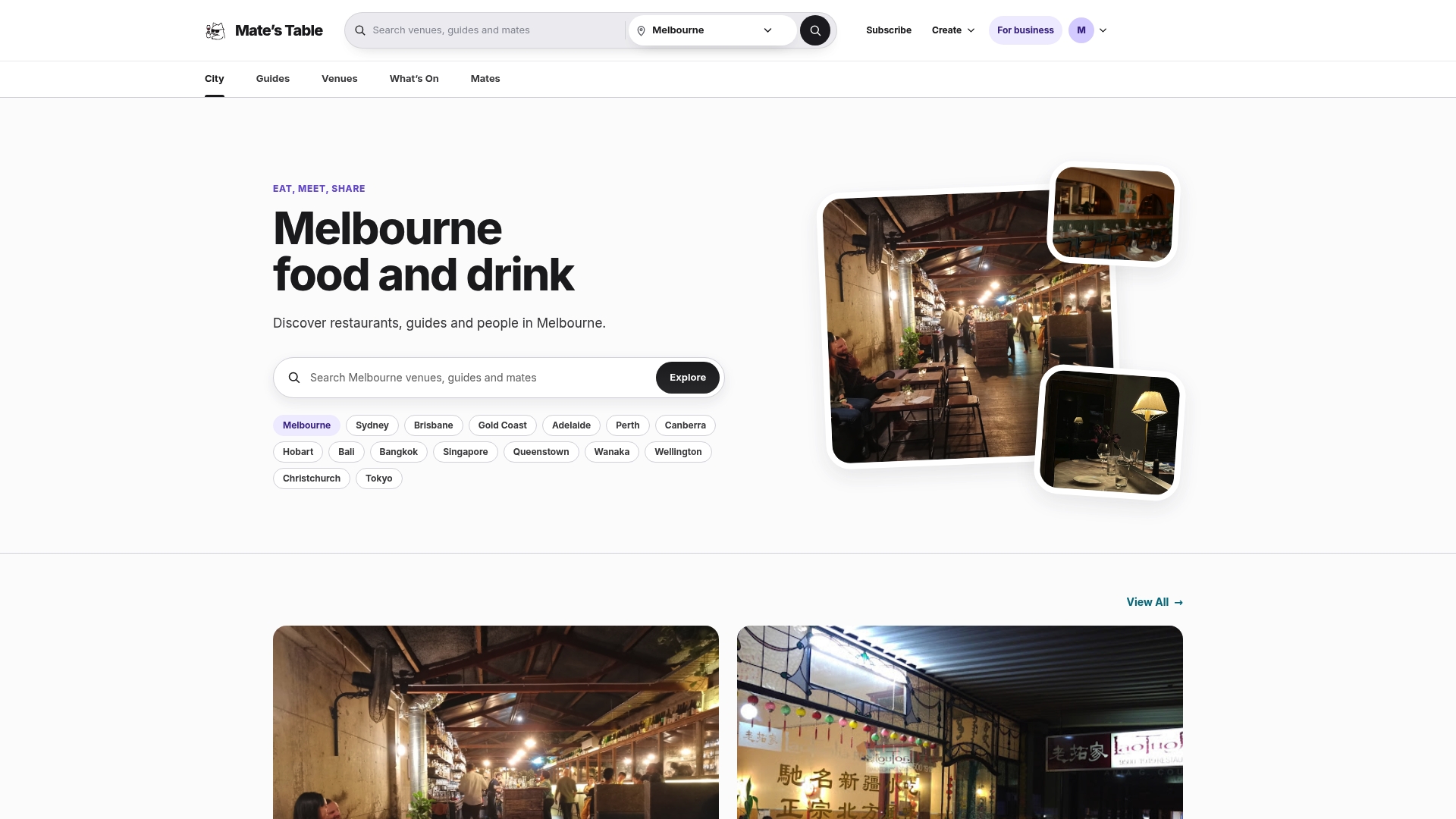
Melbourne foodboards can work well for a few specific situations:
- Building a market crawl through Queen Victoria Market without missing the best pastry and takeaway stalls.
- Planning a dessert trail across Fitzroy's laneway bakeries and croissant specialists.
- Finding a late-night souvlaki spot on Sydney Road or Oakleigh when nothing else is open.
Head to the Melbourne foodboards to start mapping your own route, or check what's on for pop-up events tied to the dishes on this list.
Sources
- This city restaurant’s signature dish has been served 100,000 times — Brisbane Times
- Eat and drink in Melbourne — Visit Victoria
- The Iconic Dishes of Melbourne — Eater
FAQ
What Are Some Signature Foods in Melbourne?
Magic coffee, chicken parma, meat pies, dim sims, the Halal Snack Pack, souvlaki, and restaurant-born dishes like Red Cliff's yabby noodles all count among Melbourne's defining foods.
What Kind of Food Is Melbourne Known For?
Melbourne is known for its cafe culture, especially the magic coffee and smashed avocado brunch scene, alongside immigrant staples like Greek souvlaki, Lebanese HSP, and Chinese dim sims.
What Are the Top Iconic Australian Dishes Found in Melbourne?
The meat pie, chicken parma, dim sim, Halal Snack Pack, and hot jam doughnut are among the most iconic dishes you'll find on Melbourne menus and market stalls.
What Is a Signature Australian Dish?
A signature Australian dish is one shaped by the country's immigrant history and local adaptation, such as the meat pie or the dim sim, rather than an imported dish served unchanged.
How Can I Plan a Tasting Trip Around These Dishes?
Group your eating by neighborhood and theme rather than chasing every dish in one day. Matestable's Melbourne foodboards organize picks by precinct and occasion to help build that kind of route.