

Outdoor dining, or al fresco dining, simply means eating outside a kitchen's four walls, on a patio, balcony, sidewalk, or rooftop. The single biggest factor in whether that space actually gets used is scale: the right table size, real shelter from sun and wind, and layered lighting matter more than any decor choice. Get those right and outdoor dining works for a backyard dinner or a full commercial patio program.
TL;DR:
Proper space and shelter are crucial, with at least 36 inches of clearance around tables and effective shading to ensure consistent usage.
Durable materials like teak and marine-grade aluminum perform best in harsh climates, requiring less maintenance and lasting longer outdoors.
Layered lighting, especially warm white string lights and task lighting, significantly extends outdoor dining hours into nighttime.
Most cities require permits for public or street-side outdoor dining, with application processes varying and often involving site plans and proof of insurance.
Promoting outdoor spaces through city guides and local tastemaker listings helps attract diners and increases the venue's visibility.
Table of Contents
- What Are the Main Types of Outdoor Dining Spaces?
- How Do You Design an Outdoor Dining Area That Actually Gets Used?
- Which Materials Hold Up Best Outdoors?
- What's the Best Lighting and Shade Setup for Outdoor Dining?
- Do Restaurants Need a Permit for Outdoor Dining?
- What's the Launch Checklist for a Commercial Outdoor Dining Setup?
- How Can You Style Outdoor Dining on a Tight Budget?
- Why Outdoor Dining Discovery Matters as Much as the Setup Itself
- Browse a City Guide or List Your Outdoor Dining Venue
- Sources
What Are the Main Types of Outdoor Dining Spaces?
Where you're dining outside changes almost every decision that follows, from furniture to permits.
- Patio or backyard dining: the most flexible option, usually no permit needed on private property, and full control over layout.
- Balcony dining: tight footprints demand compact tables and often require landlord or strata approval for anything bolted down or heavy.
- Rooftop dining: dramatic views but frequently subject to building codes, weight limits, and wind exposure.
- Sidewalk cafe seating: public right-of-way use, which almost always triggers a municipal permit and fee.
- Roadway dining (parklets or street closures): the most regulated type, often seasonal, and tied to specific city programs.
Space, privacy, and how close the setup sits to a working kitchen determine which approach makes sense. A restaurant expanding onto a sidewalk needs a different plan than a homeowner adding a four-top to a deck.
How Do You Design an Outdoor Dining Area That Actually Gets Used?
Designers consistently point to the same short list of decisions: table scale, kitchen proximity, shade, lighting, and materials that survive weather. Nail those and the space earns its keep; skip one and it becomes storage for patio furniture nobody sits in.
- Leave real clearance. Budget at least 36 inches around a dining table for chairs to pull out and people to pass. Tight spaces feel unusable no matter how nice the table is.
- Match table shape to the room. Round tables suit small, irregular patios and encourage conversation for four to six guests. Rectangular tables scale better for eight or more and work against a wall or railing.
- Prioritize seating comfort over style. A chair with real back support and a deep enough seat gets used for a two-hour dinner; a decorative stool doesn't. Stackable or foldable chairs solve small-space storage without sacrificing comfort.
- "Keep proximity to the kitchen tight," as Homes & Gardens notes, since an inconvenient walk between stove and table cuts usage more than a plain tablecloth ever will.
Pro Tip: Measure your actual walking path from the kitchen door to the table before buying anything. A beautiful table that's a 40-foot walk from the stove will sit empty by the second week.
Which Materials Hold Up Best Outdoors?
Material choice depends less on style and more on climate and how much maintenance you're willing to do.
- Teak: develops a silvery patina over time and holds up in humid or coastal climates without rotting, though it needs occasional oiling if you want to keep the original color.
- Marine-grade aluminum: lightweight, corrosion-resistant, and a strong pick for salt air near the coast.
- Powder-coated steel: sturdy and affordable, but prone to rust once the coating chips, especially in freeze-thaw regions.
- Resin wicker: budget-friendly and weather-resistant for a few seasons, though sun exposure eventually causes fading and brittleness.
- Plastic: the cheapest option and fine for occasional use, but it warps and discolors fastest under direct sun.
Design experts favor teak and marine-grade aluminum for climates with heavy sun or salt exposure, precisely because both resist corrosion without constant upkeep. Covers extend the life of any material through winter; full indoor storage adds years beyond that, particularly in regions with hard freezes.
What's the Best Lighting and Shade Setup for Outdoor Dining?
Lighting does more to extend usable hours than any other single upgrade. Warm, omnidirectional string lights are widely considered the most transformative element you can add to an outdoor dining space after dark, and layering a few light sources beats relying on one overhead fixture.
- String lights overhead for ambient wash.
- A pendant or lantern directly over the table for task lighting.
- Portable lamps or lanterns at seating height for a warmer glow.
For heat, patio heaters and fire pits extend the season into fall, but keep them away from umbrellas, awnings, and anything flammable, and check local rules before installing a permanent gas line. For shade, a market umbrella suits small patios and moves with the sun, a pergola offers a permanent architectural anchor, and a retractable awning splits the difference for anyone who wants both flexibility and shelter.
Pro Tip: Aim for warm white bulbs around 2700K rather than cool white. Cool light reads as harsh and clinical outdoors, the opposite of what makes a dinner table feel inviting.
Do Restaurants Need a Permit for Outdoor Dining?
Most cities that allow sidewalk or roadway dining require an application, a fee, and set seasonal dates, though rules vary sharply by jurisdiction. Boston's program is a useful concrete example of how these work.
- Boston's Outdoor Dining Program runs from early spring through late fall.
- Fees apply only to patios on public property.
- Private-property patios pay no fee at all.
- The city provides consultations, templates, and an online application portal to speed approval.
Those figures come directly from Boston's Outdoor Dining Program page. New York operators should check the Dining Out NYC application portal for that city's own rules, since seasonality and fee structures diverge from Boston's. In every market, start with your city's small business or public works office, and expect to attach a site plan, proof of insurance, and sometimes a liquor license amendment to the application.
What's the Launch Checklist for a Commercial Outdoor Dining Setup?
- Confirm permits and insurance first. Call your city's permitting office before ordering a single chair, and verify your liability policy covers outdoor seating on public or private property.
- Choose furniture built for daily commercial use. Marine-grade aluminum or teak outlasts resin in high-turnover settings, and secured barriers keep tables from sliding on uneven pavement.
- Test lighting and heating before opening day. Run every string light and heater through a full evening to catch outlets that trip or fixtures that flicker.
- Plan for storage between seasons. Stackable chairs and foldable tables cut the labor of packing away a patio for winter.
- Get the setup in front of local diners. Listing a new outdoor space on local dining guides and event calendars, like the ones Matestable curates for individual cities, puts it in front of people already planning where to eat that week.
How Can You Style Outdoor Dining on a Tight Budget?
A great outdoor dining space doesn't require a full furniture budget. Repurposed indoor chairs, a DIY shade sail made from canvas, and inexpensive outdoor-rated textiles can carry a patio through a full summer.
- Swap in a cheap outdoor tablecloth and cushions before replacing furniture.
- Use portable solar lanterns instead of wiring in permanent fixtures.
- Wipe down and dry furniture after rain instead of leaving it to air-dry, which speeds mildew and fading.
- Store cushions and lighting indoors during off-months to double their lifespan.
- Renting specialty items for a single event, such as through a garden party equipment hire service, often beats buying gear you'll use once a year.
Upgrade to permanent furniture once you're using the space weekly. At that point, durability starts to outweigh the savings of thrifted pieces.
Why Outdoor Dining Discovery Matters as Much as the Setup Itself
A gorgeous patio still needs diners who know it exists. There are curated restaurant, bar, and cafe guides built around local tastemakers and chef-led events, not generic star ratings, which means outdoor dining spots with real character surface instead of getting buried. Event listings and tastemaker picks send steady foot traffic to venues that show up on them. Operators running an outdoor patio worth talking about can claim or promote their listing so it reaches diners already searching city guides for somewhere new to eat.
— Forar
Browse a City Guide or List Your Outdoor Dining Venue
There are platforms that give you a faster path to a great outdoor table than scrolling generic review sites. Instead of wading through hundreds of unranked listings, curated picks from local tastemakers are offered.
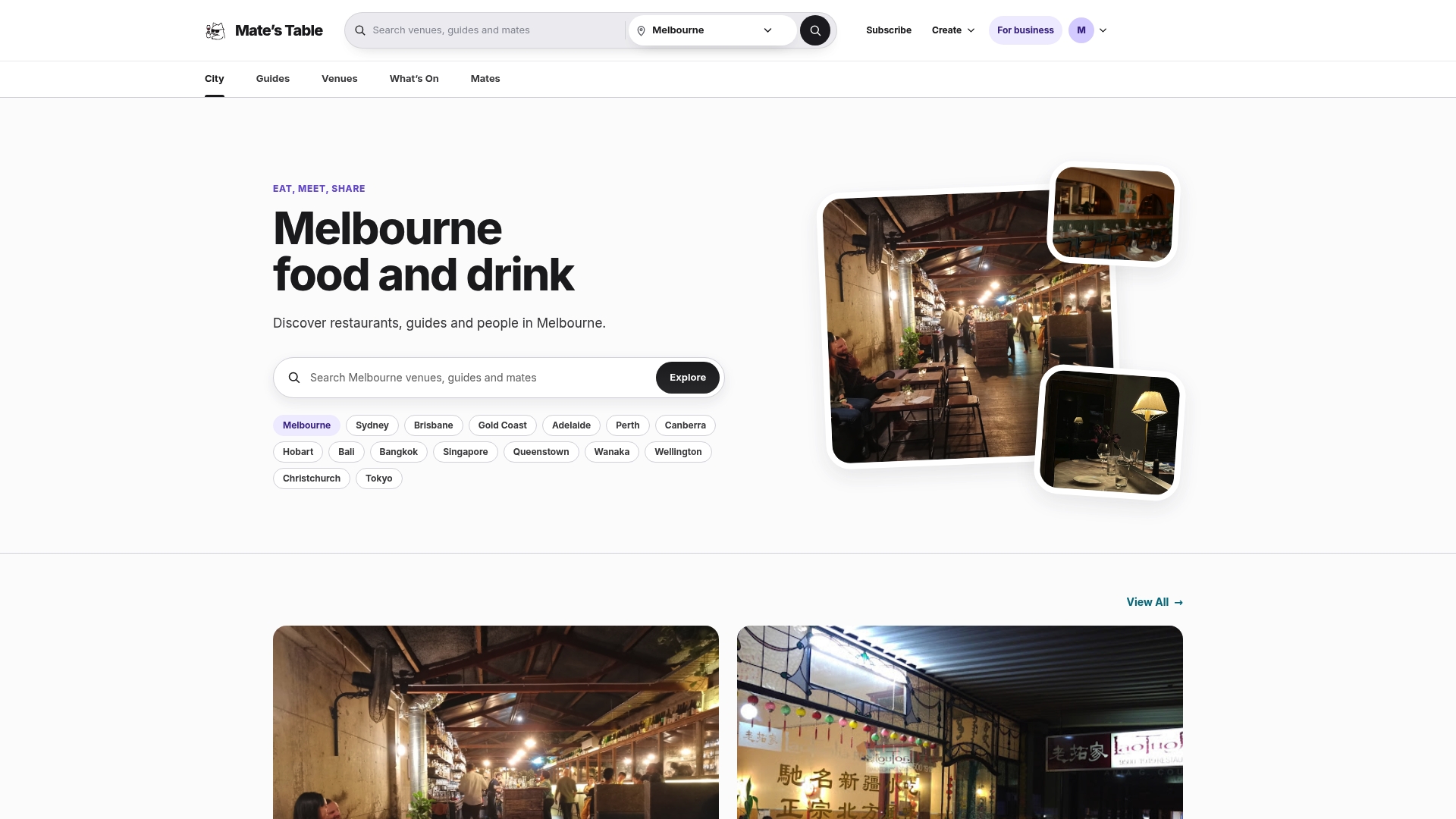
If you're planning a trip or just want tonight's dinner sorted, start with the Melbourne dining guide for curated outdoor and al fresco spots across the city. Traveling further afield? Check the Singapore guide or the Bali guide for local picks with the same tastemaker curation. Running a venue with outdoor seating worth shouting about? Claim your listing, add your patio to an upcoming event, and get in front of diners who are already looking for new outdoor dining experiences.
Sources
- Boston
- 25 Thrifty Ways To Create an Outdoor Dining Space - This Old House
- 17 Outdoor dining ideas for the ultimate summer entertaining space | Homes & Gardens